Modern School Trends
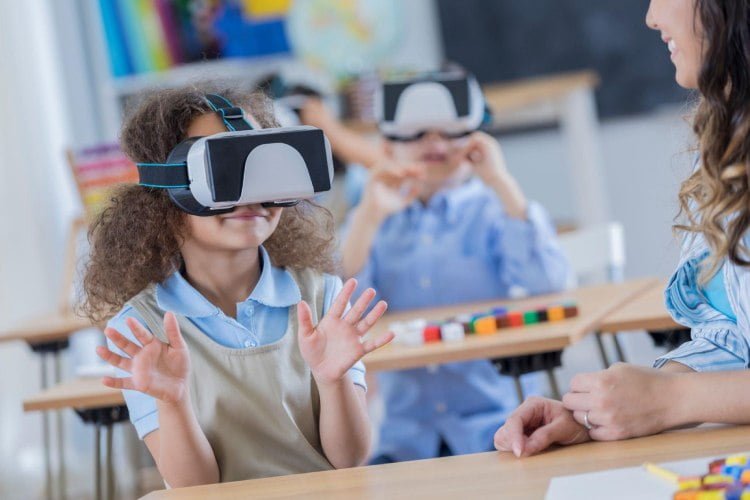
Key Trends in Education (2025) 1. AI-Driven, Personalized Learning Schools increasingly leverage artificial intelligence to tailor instruction. AI tools can adapt content delivery based on each student’s learning pace, offer real-time feedback, and even automate grading and administrative tasks.eduseed.inLEAD SchoolForbes Some regions, like Uttar Pradesh in India, are training teachers in digital literacy and AI to scale these innovations.The Times of India 2. Immersive Learning with AR/VR Augmented and virtual reality are transforming classrooms into immersive spaces—think virtual field trips or 3D visualizations of complex concepts.APSenseshcvaliaintschool.inlittleearthforestschooliowa.comAVNetwork These technologies boost engagement and retention across disciplines. 3. Blended & Hybrid Learning Models Post-pandemic, the hybrid model—combining in-person and online learning—is becoming standard. This flexible approach supports diverse learners and fosters better accessibility and global collaborations.The Times of Indiashcvaliaintschool.inlittleearthforestschooliowa.com 4. Gamification & Microlearning Gaming mechanics like points, badges, and leaderboards are making learning more interactive.APSenseeduseed.inlittleearthforestschooliowa.com At the same time, microlearning—bite-sized, focused lessons—is gaining popularity for improved attention and retention.shcvaliaintschool.inLEAD School 5. Social-Emotional Learning (SEL) & Mental Health SEL—focusing on emotional intelligence, empathy, and resilience—is becoming a classroom staple, with dedicated counseling, workshops, and mindfulness integrated into daily routines.The Times of Indiaeduseed.inlittleearthforestschooliowa.comTrovia Magazine 6. STEAM & Skill-Oriented Education Education is moving beyond rote learning toward skill-based and competency-based models, integrating arts (STEAM) with STEM, and emphasizing creativity, problem-solving, and real-world application.The Times of Indiaeduseed.inLEAD Schoollittleearthforestschooliowa.com 7. Sustainability & Green Education Schools are embedding environmental literacy into curricula—through sustainability projects, green practices, and eco-conscious learning.APSenseeduseed.inEducationWorldlittleearthforestschooliowa.comIndia Market Entry 8. Lifelong Learning & Micro-Credentials Education extends beyond graduation. Bite-sized credentials, online courses, and continuous learning programs help students and professionals stay relevant in a rapidly changing world.Forbeseduseed.inlittleearthforestschooliowa.com 9. Global Collaboration & Cultural Awareness Global classrooms—fueled by technology—enable virtual exchanges and international projects, fostering empathy, diversity, and cultural fluency.shcvaliaintschool.inlittleearthforestschooliowa.comIndia Market EntryEducationWorld 10. Inclusive, Universal Design for Learning (UDL) Educators are embracing UDL principles, creating flexible, engagement-rich environments that support diverse learners through multiple modes of representation and expression.Wikipedia Regional Highlights & Innovations India UP launched a massive training program for teachers in AI, coding, and computational thinking.The Times of India Himachal Pradesh is revising curricula to include local history, culture, and sustainability via activity-based digital materials.The Times of India Delhi schools are gearing up with AI-powered smart boards and robotics to align with NEP 2020.The Times of India Global Trends News from the U.S. underscores declining student performance in reading and math, with calls to reset tech use and emphasize foundational literacy.New York PostAP News “Immersive classrooms” powered by advanced projectors, AR/VR, and adaptable software are making learning spaces dynamic and engaging.AVNetwork Microschools—small, private, tech-focused institutions—are emerging as alternatives to traditional schools, though they raise equity concerns.WIRED Scaling AI in education is a top priority in the U.S., with federal pushes and partnerships focusing on literacy, responsible use, and saving teacher time.KiplingerThe GuardianThe Times of IndiaThe Verge Summary Table of Trends Trend Core Focus AI & Personalization Tailored learning pathways, real-time feedback, automation of tasks Immersive Tech (AR/VR) Interactive simulations, engaging content delivery Blended Learning Hybrid flexibility and global collaboration Gamification & Microlearning Engagement through games; concise, memorable content SEL & Mental Health Emotional resilience, well-being-focused education STEAM & Skills Development Hands-on, creative, and relevant learning experiences Sustainability Environmental literacy and eco-responsibility Lifelong Learning Modular learning and continuous reskilling opportunities Global Collaboration Virtual exchanges and cross-cultural educational experiences UDL & Inclusion Designing for diverse learning needs and equitable access
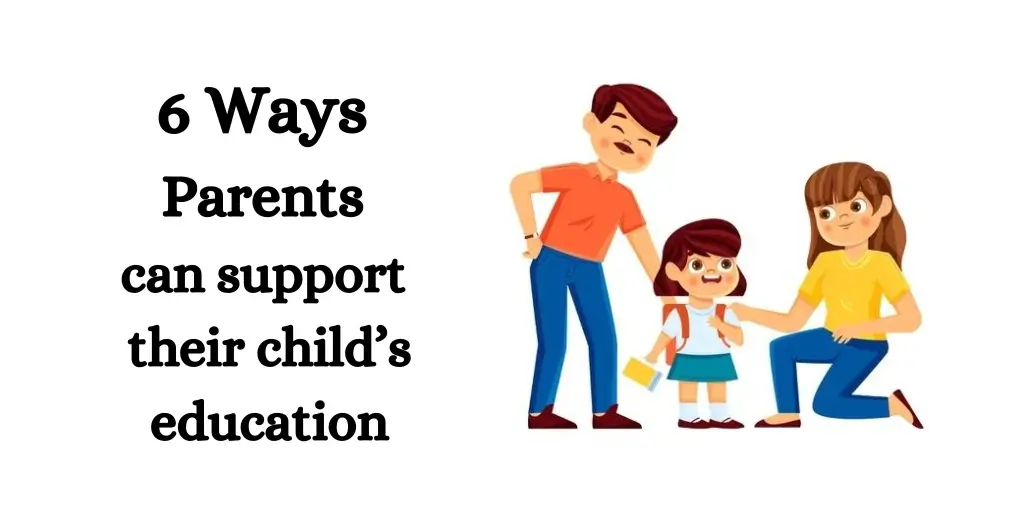
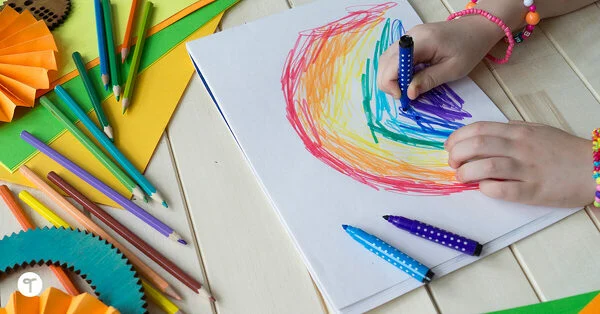
How parents can support their child in school

🏠 1. Create a Supportive Home Environment Establish a routine for homework, meals, and bedtime. Create a quiet, organized space for studying. Limit distractions, especially screen time during homework hours. Encourage healthy habits: enough sleep, balanced diet, and physical activity. 📚 2. Stay Involved in Academics Check in regularly about homework and school projects. Help with homework, but don’t do it for them—ask guiding questions instead. Review test results, report cards, and feedback from teachers. Encourage reading for pleasure at home. 🗣️ 3. Communicate with Teachers and School Staff Attend parent-teacher meetings, even virtually. Use email, school apps, or communication platforms to stay in touch. Ask how your child is doing not just academically, but socially and emotionally. Be proactive—address concerns early. 🤝 4. Foster a Positive Attitude Toward Learning Celebrate effort and progress, not just grades. Encourage a growth mindset – “You can get better with practice.” Be curious: ask about what they’re learning and show enthusiasm. Avoid putting too much pressure; instead, help set realistic goals. 👩‍👦 5. Be Present and Engaged Set aside daily check-in time: “What was the best part of your day?” Attend school events, performances, or sports games. Encourage participation in extracurricular activities. Be a learning role model: read, explore, and ask questions yourself. 📱 6. Use Technology Wisely Monitor and guide their use of educational tools and apps. Set screen time limits and promote a balance with offline activities. Keep track of school announcements, grades, and calendars online. ❤️ 7. Support Emotional & Social Development Teach resilience and problem-solving when they face challenges. Help your child develop organizational and time-management skills. Be a safe space—listen without judgment when they’re stressed or upset. Encourage kindness, empathy, and positive peer relationships. ✍️ BONUS: Encourage Independence Let them take responsibility for their learning. Teach how to ask for help—from teachers, peers, or adults. Help them learn from mistakes without fear of punishment.

creative activities for students

🎨 Arts & Crafts DIY Recycled Art Projects – Turn everyday trash into treasure (e.g., bottle cap mosaics). Story Stones – Paint stones with images and use them to inspire storytelling. Paper Engineering – Create pop-up cards or paper machines. Mask Making – Design masks based on characters or emotions. ✍️ Writing & Storytelling Flash Fiction Friday – Write a story in 100 words or less. Write a Letter to the Future – Students write to their future selves or the world 50 years from now. Comic Strip Creation – Use simple templates to create short comic stories. “What If?” Prompts – What if gravity stopped working for a day? 🎭 Drama & Performance Tableau Scenes – Freeze-frame a scene from a story or historical event. Improvisation Games – E.g., “Yes, and…” storytelling, or “Props Challenge”. Radio Plays – Students create sound effects and scripts for an audio-only performance. Lip Sync Battle – For confidence building and fun. 🧠 Critical Thinking & Innovation Shark Tank Challenge – Pitch a new invention or business idea. Design a New Planet – Include environment, species, government, etc. Escape Room Challenge – Create or solve puzzles to “escape” a scenario. Reverse Engineering – Take apart (or virtually analyze) a simple object and redesign it. 🌍 Interdisciplinary Projects Cultural Day – Explore different cultures through food, language, and traditions. Create a Mini Museum – Students curate exhibits on chosen topics. Eco-Hero Campaign – Design posters, slogans, and social media posts to promote sustainability. Build a City of the Future – Collaborative STEM + Art project using models or digital tools. 💡 Digital & Tech-Integrated Stop Motion Animation – Use apps like Stop Motion Studio. Podcast Creation – Record short episodes on topics of interest. Digital Collage or Mood Board – Use Canva or Google Slides. Interactive Quizzes – Students create them using tools like Kahoot or Quizizz. 📚 For Language or Literature Classes Book Trailer Videos – Like a movie trailer, but for books. Character Instagram Profiles – What would Hamlet post? Poetry Mash-Up – Mix lines from different poems into a new one. Living Timeline – Students “become” historical or literary figures.

Importance of School in a Child’s Life

School plays a crucial role in the overall development of a child. It is much more than just a place for academic learning — it lays the foundation for a child’s future and shapes their personality, behavior, and outlook on life. Here are some key reasons why school is important in a child’s life: 1. Academic Development School provides structured education in various subjects like math, science, language, and social studies. This knowledge builds critical thinking, problem-solving, and communication skills, which are essential for higher education and future careers. 2. Social Skills Children learn how to interact with others, share, cooperate, and resolve conflicts. These social skills are vital for personal and professional relationships later in life. 3. Discipline and Responsibility Schools instill a sense of discipline through schedules, rules, homework, and exams. Children learn responsibility by managing their time, completing assignments, and preparing for tests. 4. Emotional Growth In school, children experience a range of emotions — success, failure, competition, teamwork, and friendship. These experiences help build resilience, empathy, and self-awareness. 5. Physical Development Most schools offer physical education and extracurricular activities like sports, dance, and games, which contribute to a child’s health, coordination, and teamwork skills. 6. Moral and Ethical Values Through lessons, interactions, and school culture, children learn values such as honesty, respect, kindness, and fairness, which are essential for becoming responsible citizens. 7. Exposure to Diversity School brings together children from different backgrounds. This exposure helps them understand, respect, and appreciate different perspectives, cultures, and ideas. 8. Foundation for the Future School lays the groundwork for lifelong learning and personal growth. It helps children identify their interests and talents, guiding them toward future goals and ambitions. Conclusion In short, school is not just about textbooks and exams — it is a key part of a child’s journey toward becoming a well-rounded, capable, and responsible individual. The lessons learned and experiences gained in school have a lasting impact that extends well beyond childhood. If you’d like this adapted into a shorter paragraph, a speech, or something more creative like a poem or story, I can help with that too.

school-related blog ideas

Academic & Study Tips “How to Stay Motivated Throughout the School Year” “Top 7 Study Hacks for Exam Success” “How I Improved My Grades in Just One Semester” “The Best Apps for Students (That Aren’t Just TikTok)” “Morning vs. Night: When Is the Best Time to Study?” 🧠 Mental Health & Wellbeing “Dealing With School Stress: What Actually Helps” “My Experience With Burnout—and How I Recovered” “Why It’s Okay to Ask for Help” “How to Practice Mindfulness Between Classes” “Balancing Academics and Personal Life Without Burning Out” 🎒 Student Life & Lifestyle “A Day in My Life as a [High School / College] Student” “How to Survive Group Projects Without Losing Friends” “5 Budgeting Tips for Broke Students” “How I Decorated My Locker/Desk on a Budget” “School Events You Shouldn’t Miss (And How to Make the Most of Them)” ✍️ Productivity & Organization “My Weekly Routine as a Full-Time Student” “How I Organize My Notes for Each Class” “What’s in My Backpack: Student Edition” “Digital vs. Paper Planners: What Works Better?” “Top Chrome Extensions Every Student Should Try” 🧑‍🎓 College Prep & Career Planning (for older students) “How to Choose the Right College Major” “SAT/ACT Prep: What Worked for Me” “What I Wish I Knew Before Applying to College” “How I Landed My First Internship” “Is College Really Worth It? A Student Perspective” 🎤 Real Student Voices (Blog Series Ideas) “Interview With a Top-Performing Student” “Why I Switched Schools: My Story” “My Journey as a Student Athlete” “How I Balance Part-Time Work and School”