How parents can support their child in school
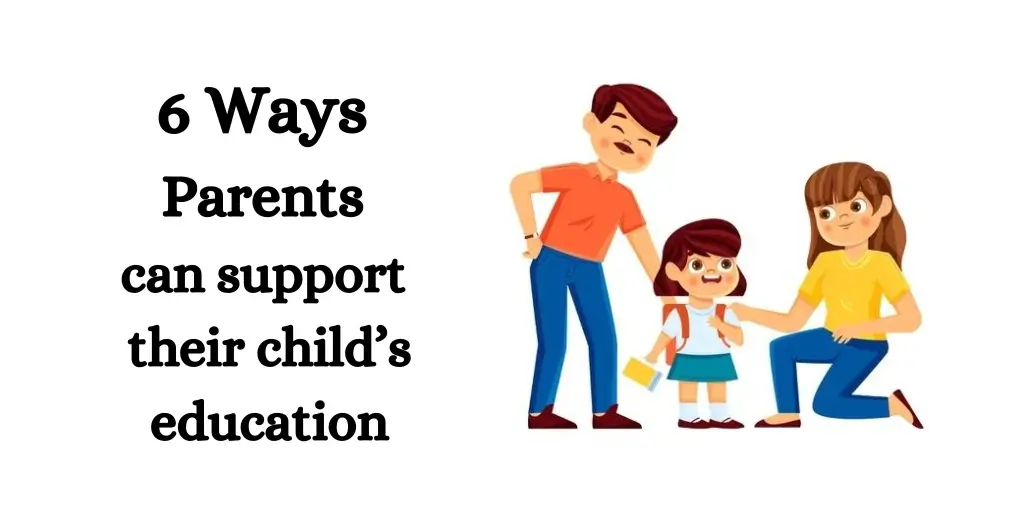
🏠 1. Create a Supportive Home Environment Establish a routine for homework, meals, and bedtime. Create a quiet, organized space for studying. Limit distractions, especially screen time during homework hours. Encourage healthy habits: enough sleep, balanced diet, and physical activity. 📚 2. Stay Involved in Academics Check in regularly about homework and school projects. Help with homework, but don’t do it for them—ask guiding questions instead. Review test results, report cards, and feedback from teachers. Encourage reading for pleasure at home. 🗣️ 3. Communicate with Teachers and School Staff Attend parent-teacher meetings, even virtually. Use email, school apps, or communication platforms to stay in touch. Ask how your child is doing not just academically, but socially and emotionally. Be proactive—address concerns early. 🤝 4. Foster a Positive Attitude Toward Learning Celebrate effort and progress, not just grades. Encourage a growth mindset – “You can get better with practice.” Be curious: ask about what they’re learning and show enthusiasm. Avoid putting too much pressure; instead, help set realistic goals. 👩👦 5. Be Present and Engaged Set aside daily check-in time: “What was the best part of your day?” Attend school events, performances, or sports games. Encourage participation in extracurricular activities. Be a learning role model: read, explore, and ask questions yourself. 📱 6. Use Technology Wisely Monitor and guide their use of educational tools and apps. Set screen time limits and promote a balance with offline activities. Keep track of school announcements, grades, and calendars online. ❤️ 7. Support Emotional & Social Development Teach resilience and problem-solving when they face challenges. Help your child develop organizational and time-management skills. Be a safe space—listen without judgment when they’re stressed or upset. Encourage kindness, empathy, and positive peer relationships. ✍️ BONUS: Encourage Independence Let them take responsibility for their learning. Teach how to ask for help—from teachers, peers, or adults. Help them learn from mistakes without fear of punishment.